
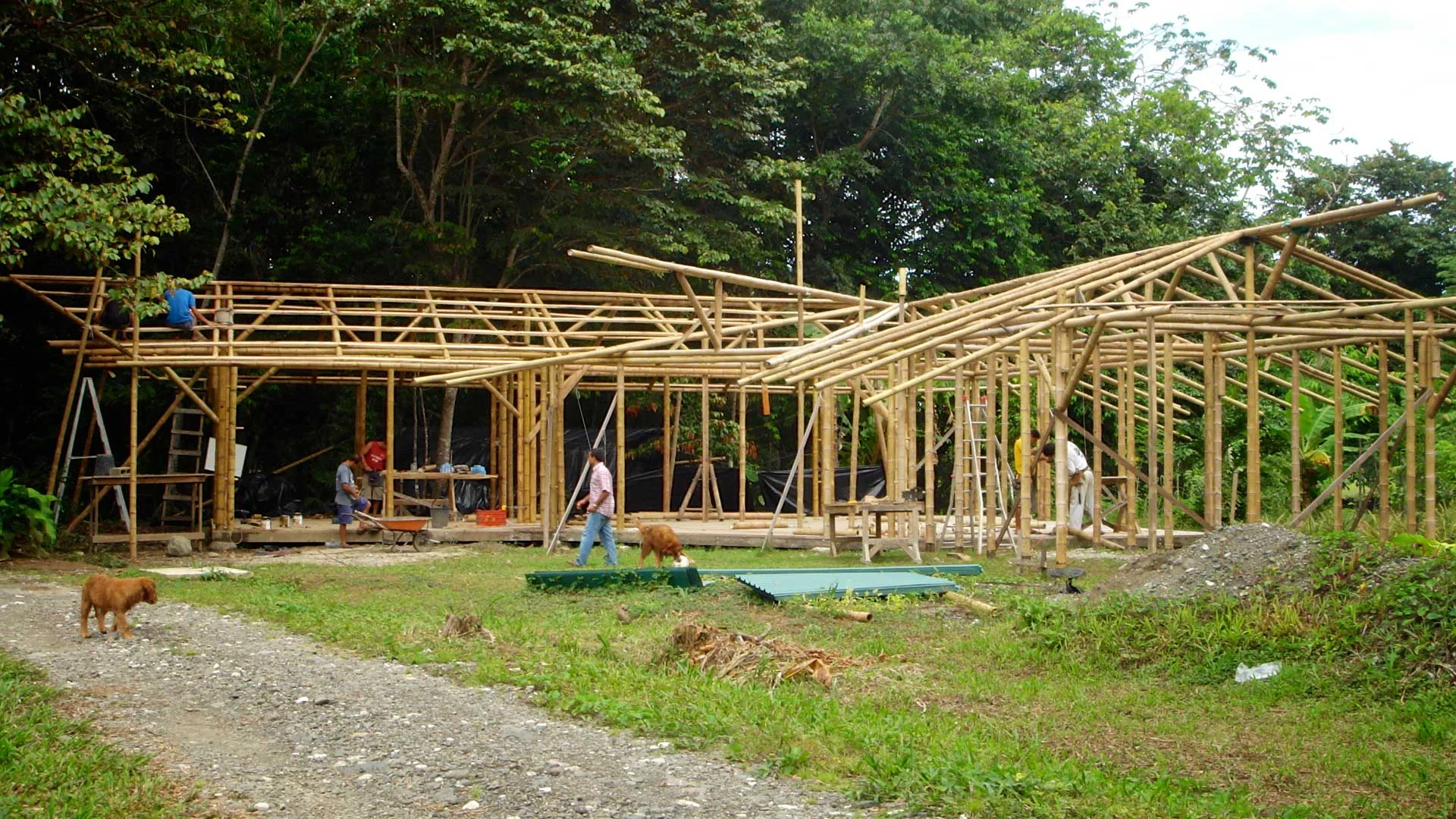
Smart Cities and Modern Infrastructure Development: Ultimate Guide to Future-Ready Urban Growth
Smart Cities and Modern Infrastructure Development: Ultimate Guide to Future-Ready Urban Growth
Introduction
Urban areas are growing rapidly, and cities must adapt to increasing population, traffic, energy demands, and environmental challenges. The concept of Smart Cities focuses on using modern infrastructure and advanced technology to improve the quality of life for citizens.
At Khandesh Developers, we believe that modern infrastructure development is the foundation of smart and sustainable cities.
What Is a Smart City?
A Smart City uses technology, data, and innovative infrastructure to manage resources efficiently and improve public services.
It includes:
- Smart transportation systems
- Efficient waste management
- Renewable energy usage
- Digital communication networks
- Sustainable urban planning
Smart cities aim to create safe, clean, and efficient environments.
Key Elements of Modern Infrastructure
1. Smart Transportation
Efficient transportation systems reduce traffic congestion and pollution. This includes:
- Intelligent traffic management
- Electric vehicle charging stations
- Well-planned road networks
Modern infrastructure ensures smooth movement of people and goods.
2. Sustainable Energy Solutions
Smart cities promote:
- Solar energy systems
- Energy-efficient buildings
- Smart grids
These solutions reduce energy consumption and environmental impact.
Modern Urban Infrastructure Development
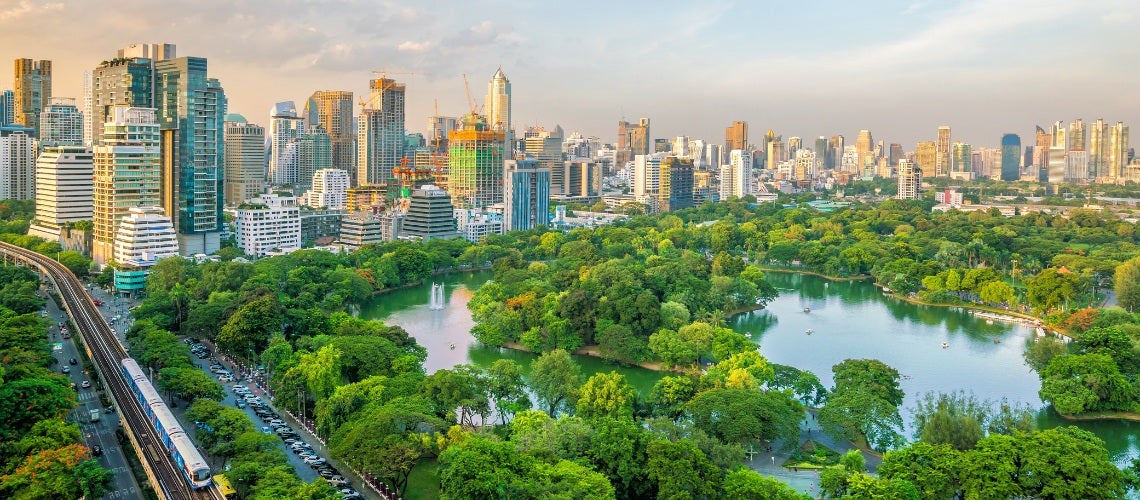
Modern infrastructure combines engineering expertise with sustainable planning to create efficient urban spaces.
3. Advanced Water Management
Water management systems include:
- Rainwater harvesting
- Smart water distribution networks
- Wastewater treatment plants
These systems ensure proper water usage and reduce wastage.
4. Digital Connectivity
Smart cities require strong digital infrastructure such as:
- High-speed internet
- Communication networks
- IoT-based monitoring systems
Digital connectivity improves service delivery and city management.
5. Waste Management Systems
Efficient waste collection and recycling systems maintain cleanliness and protect the environment.
Benefits of Smart Infrastructure
1. Improved Quality of Life
Better roads, clean environments, and reliable utilities enhance daily living standards.
2. Environmental Sustainability
Use of renewable energy and eco-friendly construction reduces carbon footprint.
3. Economic Growth
Modern infrastructure attracts businesses and investors, boosting local economies.
4. Enhanced Safety
Smart surveillance systems and disaster-resistant construction improve public safety.
Challenges in Smart Cities and Modern Infrastructure Development
Despite many advantages, smart city development faces challenges:
- High initial investment
- Data privacy concerns
- Technology integration issues
- Maintenance of infrastructure
- Need for skilled professionals
Proper planning helps overcome these challenges.
Importance of Sustainable Urban Planning
Sustainability is a key part of Smart Cities and Modern Infrastructure Development.
Includes:
- Green buildings
- Energy-efficient systems
- Reduced carbon emissions
- Eco-friendly materials
This ensures long-term environmental protection.
Future Trends in Smart Cities
The future of Smart Cities and Modern Infrastructure Development includes:
- AI-based city management
- Smart traffic systems
- Autonomous vehicles
- IoT-enabled infrastructure
- Digital governance
These innovations will make cities more efficient and advanced.
Smart Cities and Modern Infrastructure Development play a vital role in shaping the future of urban living. By integrating advanced technology, sustainable planning, and efficient resource management, cities can improve the quality of life for residents. Smart transportation, renewable energy systems, and digital connectivity are key components of modern infrastructure. These developments reduce traffic congestion, energy consumption, and environmental impact. Additionally, smart cities promote economic growth and public safety through better planning and innovation. Overall, Smart Cities and Modern Infrastructure Development ensure sustainable, efficient, and future-ready urban environments for growing populations and evolving needs.
Role of Khandesh Developers in Infrastructure Development
At Khandesh Developers, we contribute to modern infrastructure by:
- Implementing sustainable construction methods
- Using advanced building materials
- Ensuring structural safety and durability
- Following modern urban planning standards
- Promoting eco-friendly development
Our focus is on creating strong, future-ready infrastructure that supports smart city growth.
Conclusion
Smart cities represent the future of urban development. By integrating technology with modern construction practices, cities can become more efficient, sustainable, and comfortable for residents.
If you are planning a large-scale infrastructure or construction project, trust Khandesh Developers to deliver reliable and forward-thinking solutions.
👉 Contact Khandesh Developers today to build the infrastructure of tomorrow.