
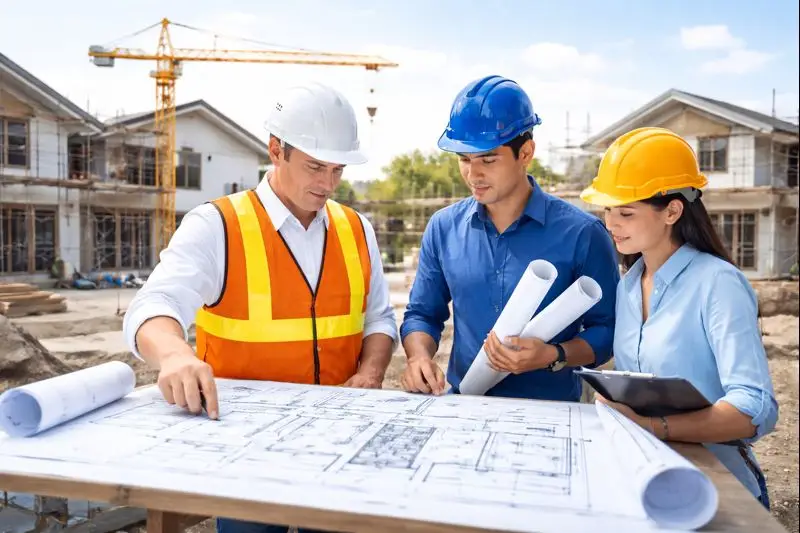
Residential vs Commercial Construction: Essential Differences for Successful Projects
Residential vs Commercial Construction: Essential Differences for Successful Projects
Introduction
Construction projects are generally divided into two major categories: residential construction and commercial construction. While both involve planning, design, and building processes, their requirements, regulations, and execution methods are quite different.
At Khandesh Developers, we specialize in both residential and commercial construction projects, ensuring high-quality results tailored to client needs.
What Is Residential Construction?
Residential construction involves building structures meant for living purposes.
Examples include:
- Individual houses
- Villas
- Apartments
- Residential complexes
These projects focus on comfort, aesthetics, and functionality for families.
What Is Commercial Construction?
Commercial construction refers to buildings designed for business or professional use.
Examples include:
- Office buildings
- Shopping complexes
- Warehouses
- Hotels
- Retail stores
Commercial projects focus on durability, space efficiency, and compliance with business regulations.
Residential vs Commercial Construction
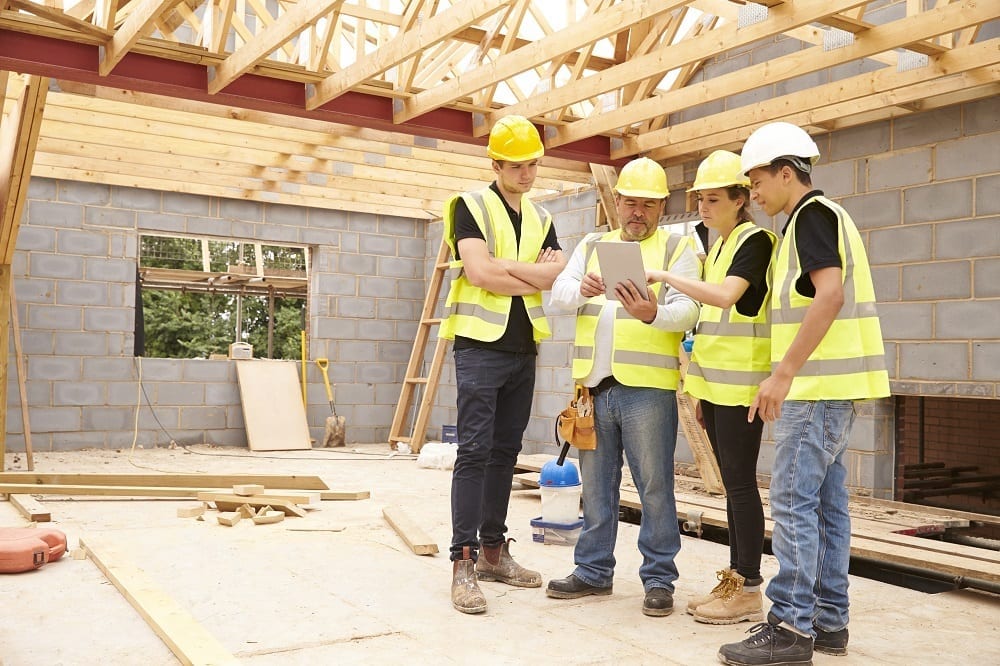
Both types of construction require professional expertise, but the planning and execution process differs significantly.
Key Differences Between Residential and Commercial Construction
1. Project Size and Scale
Residential projects are generally smaller in scale compared to commercial projects, which may involve multi-story buildings and large infrastructure.
2. Design Requirements
Residential construction focuses on:
- Interior comfort
- Aesthetic appeal
- Personal customization
Commercial construction focuses on:
- Space utilization
- Safety compliance
- Accessibility standards
3. Building Codes and Regulations
Commercial buildings must follow stricter regulations related to:
- Fire safety
- Structural load capacity
- Accessibility (ramps, lifts, emergency exits)
Residential buildings have simpler regulatory requirements compared to commercial projects.
4. Construction Materials
Commercial projects often use:
- Heavy structural steel
- Advanced concrete systems
- Industrial-grade materials
Residential projects typically use materials suitable for homes and smaller structures.
5. Timeline and Budget
Commercial construction usually:
- Requires larger investment
- Takes longer to complete
- Involves multiple contractors
Residential projects are generally quicker and more budget-controlled.
Similarities Between Both Types
Despite differences, both residential and commercial construction require:
- Proper planning
- Structural safety
- Quality materials
- Skilled workforce
- Effective project management
At Khandesh Developers, we maintain high standards in both sectors.
Choosing the Right Construction Partner
Whether it is a residential home or a commercial building, selecting an experienced construction company is crucial.
A reliable construction partner ensures:
- Timely project completion
- Budget control
- Structural safety
- Quality assurance
Why Choose Khandesh Developers?
At Khandesh Developers, we provide:
- Residential construction services
- Commercial building solutions
- Modern design and planning
- Quality material usage
- Professional project management
- On-time project delivery
Our expertise in both sectors allows us to handle projects of all sizes efficiently.
Here is additional, high-quality content you can add to your project to make it more detailed, professional, and complete:
Types of Residential Construction
Residential construction can be further divided into different categories based on structure and usage:
1. Single-Family Homes
- Independent houses designed for one family
- Offers privacy and customization
2. Multi-Family Homes
- Apartments, flats, duplexes
- Designed to accommodate multiple families
3. Luxury Residences
- Villas and premium homes
- Focus on high-end design, comfort, and lifestyle
Types of Commercial Construction
Commercial construction includes various categories depending on business needs:
1. Office Buildings
- Corporate offices and IT parks
- Focus on workspace efficiency
2. Retail Spaces
- Shopping malls, showrooms
- Designed to attract customers
3. Industrial Buildings
- Factories, warehouses
- Focus on durability and large storage space
4. Hospitality Projects
- Hotels and resorts
- Focus on customer experience and comfort
Planning Considerations for Construction Projects
Before starting any construction project, proper planning is essential.
Key Considerations:
- Location selection
- Budget estimation
- Legal approvals
- Design and layout planning
- Resource management
Cost Factors in Residential vs Commercial Construction
Several factors influence the cost of construction:
Residential:
- Size of the house
- Material quality
- Interior design
Commercial:
- Land cost
- Building size and height
- Safety systems
- Advanced infrastructure
Role of Technology in Construction
Modern construction heavily depends on technology for efficiency and accuracy.
Technologies Used:
- Computer-Aided Design (CAD)
- Building Information Modeling (BIM)
- 3D visualization
- Project management software
Benefits:
- Better planning
- Reduced errors
- Faster project completion
Importance of Safety in Construction
Safety is a critical factor in both residential and commercial construction.
Safety Measures Include:
- Use of protective equipment
- Proper training of workers
- Regular safety inspections
- Compliance with safety standards
Environmental Impact and Sustainable Construction
Modern construction focuses on eco-friendly practices.
Sustainable Practices:
- Use of energy-efficient materials
- Rainwater harvesting systems
- Solar panels
- Waste management
Benefits:
- Reduces environmental impact
- Saves energy costs
- Promotes green living
Challenges in Construction Projects
Every construction project faces certain challenges.
Common Challenges:
- Budget overruns
- Project delays
- Labor shortages
- Material availability
- Regulatory approvals
Proper planning and experienced management help overcome these issues.
Future Trends in Construction Industry
The construction industry is evolving with new innovations.
Emerging Trends:
- Smart buildings
- Green construction
- Prefabricated structures
- Automation and robotics
- AI-based project management
Importance of Quality Control
Maintaining quality ensures long-term durability and safety.
Includes:
- Material inspection
- Structural testing
- Regular monitoring
- Compliance with standards
Role of Project Management
Effective project management is essential for successful construction.
Responsibilities:
- Planning and scheduling
- Budget management
- Resource allocation
- Risk management
Advanced Theory on Residential vs Commercial Construction
1. Nature and Purpose of Construction
The fundamental difference lies in the purpose of construction:
- Residential Construction is designed to provide safe and comfortable living spaces for individuals and families. It focuses on privacy, comfort, and lifestyle needs.
- Commercial Construction is aimed at supporting business activities, requiring efficiency, durability, and functionality.
This difference directly influences design, materials, cost, and regulations.
2. Architectural Design Approach
Residential Construction:
- Focuses on aesthetic appeal and personalization
- Includes elements like bedrooms, kitchens, living rooms
- Design varies based on individual preferences
Commercial Construction:
- Focuses on utility and space optimization
- Includes open layouts, workspaces, and public areas
- Must follow standardized layouts for business operations
3. Structural Complexity
Commercial construction is generally more complex due to:
- Multi-story buildings
- Heavy load requirements
- Advanced engineering techniques
Residential construction is simpler with:
- Lower height structures
- Less complex load-bearing systems
Conclusion
Residential and commercial construction serve different purposes but share a common goal — creating safe, durable, and functional spaces. While residential construction focuses on comfort and lifestyle, commercial construction emphasizes efficiency and business functionality.
Understanding the differences and considerations between these two types helps in making better decisions when planning a project. From design and materials to regulations and budget, every aspect plays a vital role in the success of construction.
Choosing a trusted and experienced partner like Khandesh Developers ensures that your project is handled professionally from start to finish. With expertise in both residential and commercial construction, we deliver high-quality, reliable, and future-ready structures tailored to your needs.
Residential and commercial construction may differ in scale, design, and regulations, but both require professional expertise and strong project management.
If you are planning to build a home or commercial space, trust khandesh Developer for reliable, durable, and high-quality construction solutions.