

Importance of Data Analytics for Business Decision-Making: Ultimate Guide to Smart Success
Importance of Data Analytics for Business Decision-Making: Ultimate Guide to Smart Success
Introduction
In today’s digital world, data is one of the most valuable assets for any organization. Every business generates data through customer interactions, sales transactions, website visits, and social media activities. However, raw data alone is not useful unless it is properly analyzed.
Data analytics helps businesses convert raw data into meaningful insights. At Khandesh Developers, we provide data-driven solutions that help organizations make smart and strategic decisions.
What Is Data Analytics?
Data analytics is the process of collecting, organizing, analyzing, and interpreting data to discover patterns and trends.
It helps businesses:
- Understand customer behavior
- Improve operational efficiency
- Identify market trends
- Make informed business decisions
By using data analytics, companies can reduce risks and increase profitability.
Types of Data Analytics
1. Descriptive Analytics
Descriptive analytics explains what has happened in the past.
Example: Monthly sales reports, website traffic analysis.
2. Diagnostic Analytics
This type answers why something happened.
Example: Identifying reasons for a drop in sales.
3. Predictive Analytics
Predictive analytics forecasts future trends using historical data.
Example: Predicting future customer demand.
4. Prescriptive Analytics
This suggests actions to achieve better outcomes.
Example: Recommending marketing strategies based on customer data.
Data Analytics in Modern Business
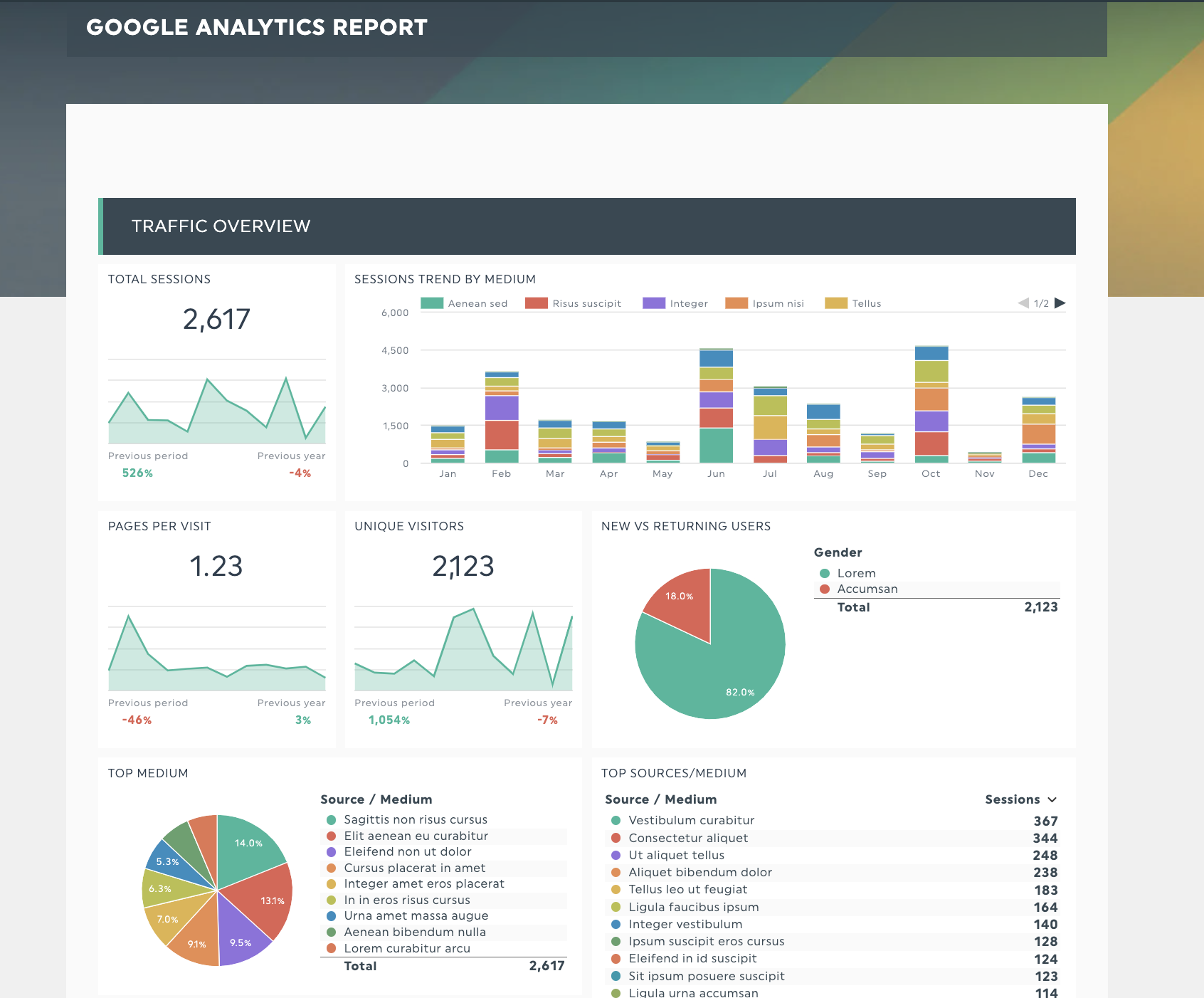

Modern businesses rely on dashboards, charts, and data visualization tools to monitor performance and make strategic decisions.
Benefits of Data Analytics
1. Better Decision-Making
Instead of relying on assumptions, businesses can use real data to guide their strategies.
2. Improved Customer Experience
Analyzing customer data helps companies understand preferences and offer personalized services.
At Khandesh Developers, we build intelligent data systems that enhance customer engagement.
3. Increased Efficiency
Data analytics identifies operational weaknesses and areas for improvement.
4. Competitive Advantage
Businesses that use data effectively stay ahead of competitors.
5. Risk Management
Analytics helps detect unusual patterns, reducing financial and operational risks.
Applications of Data Analytics
Data analytics is widely used in:
- Marketing and sales analysis
- Financial forecasting
- Supply chain management
- Customer relationship management
- Fraud detection
It plays a vital role in nearly every industry.
Data Analytics for Small and Medium Businesses
Many small businesses believe data analytics is only for large corporations. However, affordable tools and cloud-based platforms now make analytics accessible to all.
At Khandesh Developers, we provide scalable analytics solutions tailored to business needs and budgets.
Tools Used in Data Analytics
Modern analytics uses:
- Business intelligence dashboards
- Data visualization tools
- Machine learning models
- Cloud-based data platforms
These tools help convert complex data into easy-to-understand insights.
Why Choose Khandesh Developers for Data Analytics?
At Khandesh Developers, we offer:
- Customized data analytics solutions
- Business intelligence dashboard development
- Data integration and management
- Predictive analytics implementation
- Ongoing support and optimization
Our goal is to help businesses make smarter, data-driven decisions.
Here is additional high-quality content you can add to your blog “Importance of Data Analytics for Business Decision-Making” to make it more detailed, professional, and SEO-optimized:
Advanced Concepts in Data Analytics
Role of Big Data in Analytics
Big Data refers to extremely large datasets that cannot be processed using traditional methods.
Characteristics of Big Data (5Vs):
- Volume (large amount of data)
- Velocity (fast data generation)
- Variety (different types of data)
- Veracity (data accuracy)
- Value (useful insights)
Importance:
Big Data allows businesses to analyze customer behavior at a deeper level and make more accurate decisions.
Real-Time Data Analytics
Real-time analytics allows businesses to process data instantly as it is generated.
Examples:
- Live stock market updates
- Online transaction monitoring
- Real-time customer support systems
Benefits:
- Faster decision-making
- Immediate problem detection
- Improved customer experience
Data-Driven Decision Making (DDDM)
Data-driven decision-making means making decisions based on data rather than intuition.
Advantages:
- Reduces human error
- Improves accuracy
- Provides measurable results
Importance of Data Visualization
Data visualization converts complex data into visual formats like graphs and charts.
Common Tools:
- Dashboards
- Bar charts
- Pie charts
- Heatmaps
Benefits:
- Easy understanding of data
- Quick insights
- Better communication of information
Challenges in Data Analytics
Despite its benefits, data analytics also faces challenges:
- Data privacy and security issues
- High implementation cost
- Lack of skilled professionals
- Data quality issues
- Integration with existing systems
Ethical Use of Data
Businesses must use data responsibly and ethically.
Key Principles:
- Data privacy protection
- Transparency
- Consent from users
- Avoid misuse of personal data
Data Analytics Lifecycle
The data analytics process follows a structured lifecycle:
- Data Collection
- Data Cleaning
- Data Processing
- Data Analysis
- Data Interpretation
- Decision Making
This cycle ensures accurate and meaningful results.
Role of Artificial Intelligence in Data Analytics
Artificial Intelligence (AI) enhances data analytics by automating complex processes.
Uses:
- Pattern recognition
- Predictive modeling
- Customer behavior analysis
Benefits:
- Faster processing
- Improved accuracy
- Advanced insights
Industry-Wise Use of Data Analytics
1. Healthcare
- Patient data analysis
- Disease prediction
2. Banking and Finance
- Fraud detection
- Risk assessment
3. Retail
- Customer behavior tracking
- Inventory management
4. Education
- Student performance analysis
- Personalized learning
Future Trends in Data Analytics
The field of data analytics is continuously evolving.
Key Trends:
- AI-powered analytics
- Cloud-based analytics
- Automated data processing
- Data storytelling
- Edge computing
Importance of Data Security in Analytics
Protecting data is critical in analytics systems.
Measures:
- Data encryption
- Secure cloud storage
- Access control
- Regular backups
Deep Insights into Data Analytics
Data Analytics vs Data Science
Many people confuse data analytics with data science, but they are different:
- Data Analytics: Focuses on analyzing existing data to find insights
- Data Science: Involves advanced techniques like machine learning and predictive modeling
Conclusion:
Data analytics is a part of data science but is more focused on business decision-making.
Role of Cloud Computing in Data Analytics
Cloud computing has made data analytics more accessible and scalable.
Advantages:
- Store large volumes of data
- Access data from anywhere
- Cost-effective solutions
- Easy integration with tools
Data Warehousing and Data Mining
Data Warehousing
- Stores large amounts of structured data
- Used for reporting and analysis
Data Mining
- Extracts useful patterns from data
- Helps in decision-making
Importance of KPIs
KPIs are measurable values that show how effectively a business is achieving its goals.
Examples:
- Sales growth rate
- Customer retention rate
- Website conversion rate
Benefits:
- Tracks performance
- Helps in goal setting
- Improves accountability
Role of Dashboards in Business
Dashboards provide a visual summary of key data.
Features:
- Real-time updates
- Graphs and charts
- Easy monitoring
Benefits:
- Quick decision-making
- Better data understanding
Data Analytics in Digital Marketing
Data analytics plays a huge role in marketing strategies.
Applications:
- Customer segmentation
- Campaign performance tracking
- Social media analysis
- Email marketing optimization
Predictive vs Prescriptive Analytics
| Feature | Predictive Analytics | Prescriptive Analytics |
|---|---|---|
| Purpose | Forecast future trends | Suggest actions |
| Based on | Historical data | Data + AI models |
| Example | Sales prediction | Marketing strategy recommendation |
Role of Machine Learning in Analytics
Machine Learning improves analytics by learning from data automatically.
Examples:
- Recommendation systems (Netflix, Amazon)
- Fraud detection
- Customer churn prediction
Importance of Data Quality
Poor data leads to wrong decisions.
Key Factors:
- Accuracy
- Completeness
- Consistency
- Timeliness
Conclusion:
High-quality data is essential for reliable analytics.
Data Governance
Data governance ensures proper management of data.
Includes:
- Data policies
- Data security
- Data ownership
- Compliance
Automation in Data Analytics
Automation reduces manual work and increases efficiency.
Examples:
- Automated reports
- AI-based insights
- Data processing tools
Return on Investment (ROI) of Data Analytics
Businesses invest in analytics to gain value.
ROI Benefits:
- Increased revenue
- Reduced costs
- Better decision-making
- Improved efficiency
Case Study Example
Company: Retail Store
Problem: Low sales
Solution using Data Analytics:
- Analyzed customer purchase data
- Identified popular products
- Improved inventory
Result:
- Increased sales
- Better customer satisfaction
Best Practices for Implementing Data Analytics
- Define clear business goals
- Use the right tools
- Ensure data quality
- Train employees
- Monitor and improve continuously
Conclusion
Data analytics is transforming how businesses operate. Companies that use data effectively can improve performance, increase profitability, and gain a competitive edge.
If you want to unlock the power of your business data, trust Khandesh Developers to deliver reliable and advanced analytics solutions.
Data analytics has become an essential part of modern business strategy. It helps organizations understand their customers, optimize operations, and make informed decisions. With advancements in technology such as AI and Big Data, the role of analytics will continue to grow.
Businesses that invest in data analytics gain a competitive advantage, improve efficiency, and achieve long-term success. By leveraging the right tools and strategies, companies can transform raw data into valuable insights that drive growth and innovation.
👉 Contact Khandesh Developers today to start your data-driven journey.